Deep meditation begins with preparing the body
While teaching the Bongwoo Breathing Method, I am often asked the same questions:
“My legs hurt, so I can’t sit for long.”
“My lower back, shoulders, and neck ache and become numb, making it hard to focus.”
These concerns are not individual problems; they reflect a common starting point for many who begin meditation. For this reason, I strongly recommend that anyone starting meditation first engage in yoga or gentle stretching before practicing breathing meditation.
When the body opens, the breath follows
Before entering meditation, I encourage gently rubbing the hands together and using their warmth to massage the face. With the fingertips, lightly massage the sides of the nose to open the nasal passages and support smoother breathing, then softly touch the neck with the palms to release tension.
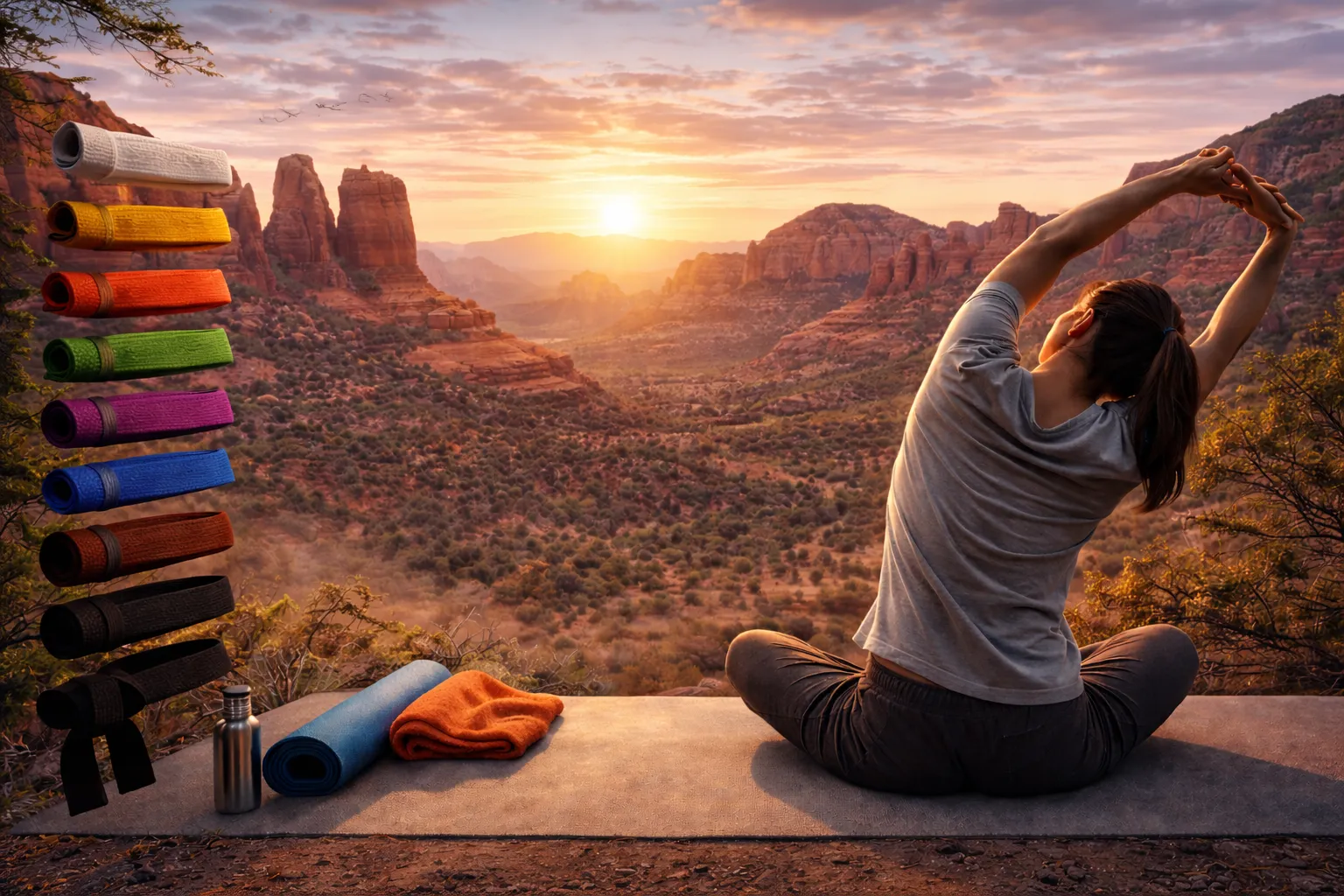
Next, stretching the shoulders, lower back, and hip joints allows the body to relax naturally, making it possible to sit comfortably for longer periods. Breath reflects the condition of the body. When the body is tense, the breath becomes shallow; when the breath is restricted, meditation cannot deepen.
To deepen your breath, move your body
If you wish to extend your breathing meditation practice, I recommend combining it with physical movement suited to your body. If pain prevents strenuous exercise, begin with walking. If you are able, walk briskly until your breath quickens and perspiration appears. When your health improves further, try slow jogging.
Yoga, fitness training, or martial arts can all support breathing meditation. As meditation deepens, physical strength becomes essential for maintaining stable posture over time. Without sufficient vitality, sitting meditation alone has its limits.
My own experience: how exercise transformed my meditation
During the COVID-19 pandemic in 2020, my health noticeably declined. In 2021, before undergoing a minor surgery, I decided to rebuild my strength and enrolled in a Taekwondo school.
Although I had loved exercise since childhood and had taught yoga and meditation professionally for many years, I realized that yoga alone was no longer enough. I needed more physically demanding training.
Our Taekwondo program progressed from white belt through more than ten colored belts toward black belt. With each belt I earned, my health steadily improved. Four years later, I achieved my black belt.
The joy that follows sweat
The happiness that arises after intense physical training—after sweating deeply—cannot be compared to anything else. It feels as if a cocktail of happiness hormones explodes in the brain like brilliant fireworks.
Since then, I have continued training in Taekwondo while also practicing Muay Thai and kickboxing. Through exercise, I became capable of many things I could not do before. This strengthened physical foundation now supports my meditation practice in a profound way.
Physical strength determines the depth of meditation
Without physical training, simply sitting for long periods will not lead to deeper meditation. I encourage everyone to find a form of exercise that suits their body and to practice it daily or every other day alongside meditation.
The stronger your physical foundation, the deeper your breathing becomes.
And the deeper your breathing, the more naturally meditation deepens.
This is why, in teaching Bongwoo Meditation, I always emphasize the integration of body and breath.